
The Thrill of Uncertainty
One of the primary psychological factors that draw individuals to gambling is the allure of uncertainty. The unpredictability of outcomes in games of chance creates a thrilling experience, often referred to as the “gambling rush.” This exhilarating sensation triggers the brain’s reward pathways, releasing dopamine and creating feelings of excitement and pleasure, akin to the feelings associated with risk-taking behaviors. Many players are also looking for options like non gamstop casino to enhance their gambling potential.

This thrill is not just a fleeting emotion; it can lead to a cycle of craving more experiences that generate similar feelings. The anticipation of winning, coupled with the possibility of loss, engages individuals in a complex emotional dance, making them return to casinos time and again. The uncertainty can often overshadow the rationality of their decisions, reinforcing the power of the gambling experience.
The Social Aspect of Gambling
Another significant factor in the psychology of gambling is the social environment that casinos provide. Many people enjoy the communal aspects of gambling, where interactions with others can enhance the experience. Socializing with friends or even strangers at the tables fosters a sense of belonging and camaraderie, often making people feel more connected.
Additionally, the competitive nature of many gambling activities can be enticing. Players often engage in friendly rivalry, which can amplify the excitement. This social dimension encourages the idea that gambling is not merely a solitary activity but rather a collective experience that can lead to lasting memories and friendships.
Cognitive Biases and Misbeliefs
Cognitive biases, such as the illusion of control or the gambler’s fallacy, significantly influence why individuals are attracted to gambling. Many players believe that they can influence the outcome of random events through skill or strategy, leading to an overestimation of their chances of winning. This illusion can drive repeated visits to casinos, as individuals continue to seek the validation of their beliefs.
Moreover, the gambler’s fallacy, the belief that past outcomes affect future results, can lead to misguided decision-making. This can create a pattern of behavior where players feel compelled to continue betting, driven by the idea that a win is “due.” Such misconceptions make it easy to fall into a gambling trap, as players pursue their losses in hopes of a forthcoming victory.
The Role of Escape and Fantasy
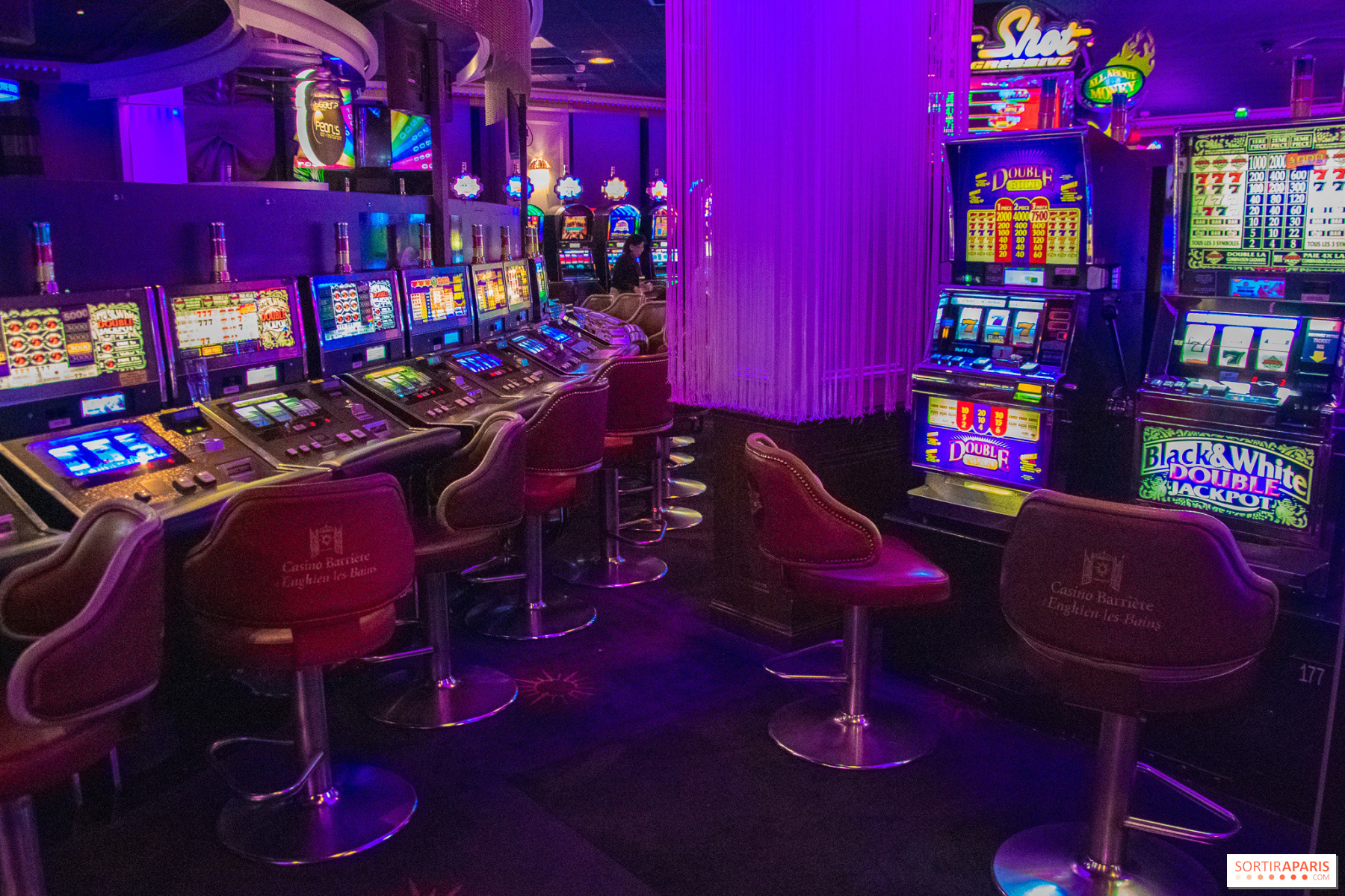
For many, casinos serve as an escape from daily life. The vibrant atmosphere, the sounds, and the lights create a captivating environment that can transport individuals away from their everyday worries. This ability to step into a world of fantasy allows gamblers to momentarily detach from their responsibilities and immerse themselves in a realm where anything seems possible.
This escape aspect can be particularly appealing to those seeking relief from stress, boredom, or even loneliness. The casino experience, filled with bright colors and enticing games, creates an intoxicating atmosphere that can be difficult to resist, making it a popular choice for those looking to unwind or indulge in a “dreamlike” adventure.
Maintaining Security while Enjoying Gaming
While exploring the psychology behind gambling, it’s essential to consider the security measures that protect individuals engaging in this activity. Protecting online transactions and personal information is critical in ensuring a safe gaming experience. Websites often employ robust security measures, such as encryption and firewalls, to safeguard users from potential threats.
As players dive into the world of gambling, being aware of the environment in which they operate is crucial. Understanding the safety protocols can enhance the overall experience, allowing individuals to enjoy their gaming adventures securely while navigating the complexities of gambling psychology.