
Understanding the psychology behind gambling behavior in casinos
The Allure of Gambling: Why People Are Drawn to Casinos
The psychological appeal of gambling often stems from the thrill and excitement associated with risk-taking. Many individuals experience a rush of adrenaline when placing bets, which can trigger the brain’s reward system. This response is similar to what individuals might feel during other exhilarating activities, such as extreme sports or even roller coasters. The anticipation of winning, combined with the possibility of losing, creates a unique tension that many find irresistible. At Ace4Win Australia, you can also find useful resources at https://ace4win-australia.com/ to help you navigate your gaming experience.

Furthermore, the social environment of casinos enhances this allure. Gamblers are often surrounded by others who are experiencing similar highs and lows, fostering a sense of community. The chatter, laughter, and collective excitement can amplify personal feelings, making gambling more than just a solitary activity. This social dynamic can be a compelling reason why people are drawn to casinos, as they often seek a shared experience that enhances their enjoyment.
Lastly, the design and ambiance of casinos play a significant role in attracting patrons. Bright lights, vibrant colors, and engaging sounds create a stimulating environment that keeps players engaged. Casinos are meticulously designed to encourage spending and prolong visits, utilizing psychology to manipulate players’ emotions and perceptions. The strategic placement of games, including high-stakes tables and popular machines, can lead individuals deeper into a cycle of betting and, ultimately, spending.
The Role of Cognitive Biases in Gambling
Cognitive biases are systematic patterns of deviation from norm or rationality in judgment, and they significantly affect gambling behavior. One common bias is the illusion of control, where players believe they can influence outcomes in games of chance, such as slot machines or roulette. This belief can lead individuals to gamble more frequently, as they feel a false sense of mastery over their luck. For example, a player may believe that choosing specific numbers can increase their chances of winning. Understanding these tips and tricks can be essential for responsible gambling.
Another prevalent cognitive bias in gambling is the gambler’s fallacy, which involves the misconception that past random events affect future outcomes. For instance, a person might avoid betting on a number in roulette that has come up several times in a row, thinking that it is “due” for a loss. Such biases can perpetuate gambling habits and lead to prolonged play, even when the chances of winning remain unchanged. This thinking creates a false sense of security that can contribute to risky behavior.
Additionally, the concept of near-misses plays a pivotal role in reinforcing gambling behaviors. Near-misses occur when a player comes close to winning but ultimately does not. The brain often interprets these situations as signs that success is just within reach, encouraging individuals to continue playing. This phenomenon can lead to persistent gambling, as players often chase these near-wins in hopes of eventual success, not realizing the emotional and financial toll it may take.
The Emotional Rollercoaster: Wins and Losses
Gambling elicits a wide range of emotions, from exhilaration to despair. Winning, especially significant wins, releases endorphins and dopamine, creating a feeling of euphoria that many find addictive. This emotional high can lead to an increased desire to replicate the experience, encouraging players to wager larger amounts or try more games in hopes of recapturing that initial thrill. This cycle can create a volatile gambling experience, characterized by extreme emotional fluctuations.
On the flip side, losses can generate feelings of frustration and hopelessness. However, many gamblers exhibit a tendency to minimize their losses or rationalize their gambling behavior. They may convince themselves that they were “just one bet away” from winning, leading to a cycle of chasing losses. This emotional push can prevent individuals from recognizing the potential risks and help them rationalize continued participation in gambling activities, even when they may not be financially capable of doing so.
The emotional aspect of gambling is compounded by the element of escapism it provides. For many, gambling serves as a distraction from daily life, allowing individuals to immerse themselves in a different reality where they can temporarily forget their problems. This need for escape can lead to habitual gambling, particularly for those experiencing stress or mental health challenges, further entrenching them in the cycle of gambling behavior.
The Impact of Technology on Gambling Behavior
With the advent of technology, gambling has become more accessible than ever. Online casinos and mobile gaming have transformed how individuals engage with gambling. The convenience of playing from home or on-the-go can lead to increased gambling frequency and, in many cases, excessive behavior. This shift has opened doors to new forms of gambling that are often designed to keep players engaged for longer periods, such as microtransactions and in-game rewards.
Moreover, technology has enabled the use of data analytics to refine marketing strategies, making gambling experiences more personalized. Operators can track user behavior and target specific demographics with tailored promotions, increasing the likelihood of engagement. This data-driven approach can manipulate psychological triggers effectively, making individuals more susceptible to gambling temptations and often leading them to play longer or wager more than they originally intended.
Furthermore, the rise of social gaming has introduced a new dimension to gambling behavior. Players can interact with friends and compete against each other in various casino-style games, which can further blur the lines between casual gaming and gambling. The social aspect of these platforms can make individuals feel like they are part of a community, encouraging them to engage more frequently. This combination of social interaction and gambling can lead to increased expenditure and more intense gambling behaviors.
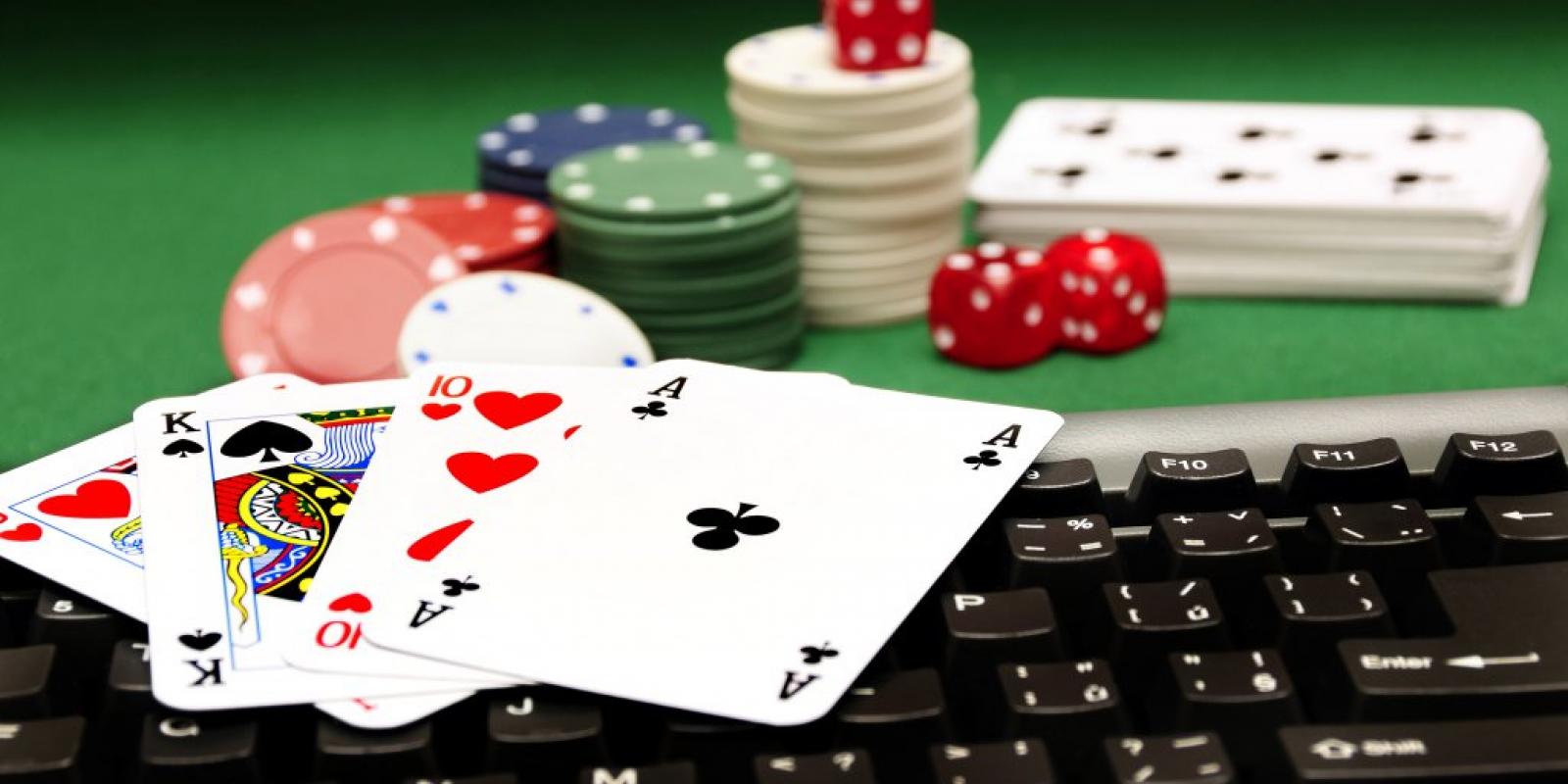
Responsible Gambling and Safe Practices
Understanding the psychology behind gambling behavior is essential for promoting responsible gambling practices. Awareness of cognitive biases, emotional triggers, and environmental influences can empower players to make informed decisions about their gambling habits. Many casinos and online platforms now provide resources and tools to help players manage their gambling activities, such as self-exclusion options and deposit limits.
Education is a crucial component of responsible gambling. By informing players about the risks associated with gambling, operators can encourage safer behaviors. Initiatives aimed at raising awareness about problem gambling can help individuals recognize when their habits might be becoming unhealthy, allowing them to seek support before serious issues develop. Casinos play a pivotal role in creating a culture of responsibility through ongoing training for staff and providing information to patrons.
For those who find themselves struggling with gambling, various support networks and resources are available. These organizations offer counseling and support groups tailored to individuals dealing with gambling addiction. By fostering open conversations about the psychological aspects of gambling and encouraging individuals to seek help when needed, the industry can create a safer environment that promotes well-being over profit.