
What is Hellstar and who are its competitors?
Hellstar is a niche streetwear label known for gothic, punk, and metal-inspired T-shirt graphics; its competitors are brands that occupy the same alternative fashion space—think Killstar, Disturbia, Blackcraft-style labels, and independent Etsy designers. Readers come here because they want a clear, practical comparison: which brand gives the best fit, print life, design originality, and value for their subculture wardrobe. Hellstar positions itself toward bold, distressed, occult-inspired motifs and limited-run drops, while competitors range from mass-goth mainstream labels to hyper-custom indie creators. Buyers typically choose based on design uniqueness, fabric feel, and whether a shirt survives repeated washes without the graphic cracking or fading. Expectations differ: some shoppers prioritize an exact fit and long-lasting screen prints; others want small-batch aesthetics even if the tee needs gentle care.
How do Hellstar shirts compare on material and build quality?
hellstar shirts generally land in the mid-weight cotton or cotton-blend category with standard fashion-grade construction; the critical question is how they hold up through real use, not just how they feel fresh out of the package. In practice, Hellstar’s tees often use ring-spun or combed cotton blends that balance softness and shape retention, but sizing consistency can vary between collections. Stitching and collar integrity are comparable to other alternative labels, though heavier-gauge collars and double-needle hems are rarer on economy runs. Print method matters more than fabric alone: screen printing applied with proper curing will outlast cheaper DTG prints on the same shirt, and that’s true across Hellstar and competitors. Expect some shrinkage on first wash if a tee isn’t explicitly labeled pre-shrunk; wash cold and reshape when damp to minimize distortion. For longevity, the combination of mid-weight fabric, quality screen-printing, and reinforced seams is the winning formula whether you buy Hellstar or another niche label.
Designs, style, and originality
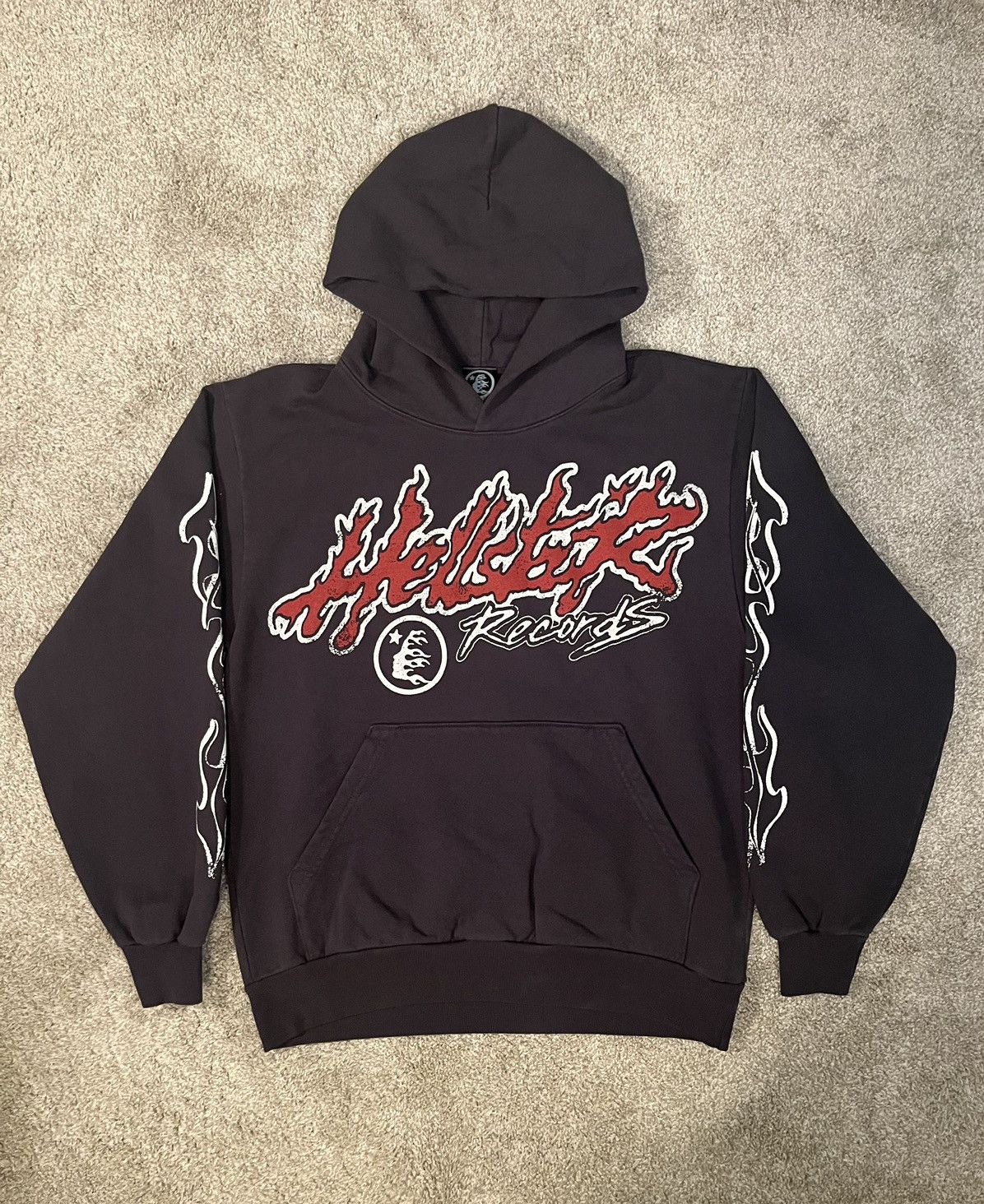
Design is the primary reason people choose Hellstar: the brand leans into bold occult, horror, and punk motifs that read stronger than generic band-tee ripoffs. Competitors split into two camps: well-curated houses that develop a coherent aesthetic and one-off sellers who chase trends or licensed art. Hellstar’s advantages are tight theme consistency and drops that feel collectible; competitors like Killstar emphasize lifestyle with accessories and full collections, while Etsy makers trade on bespoke or hand-drawn uniqueness. The downside of any niche label is repetition—if you want cutting-edge illustration, check artist credits and run counts before committing. For street-level authenticity, look for artist collaborations and limited runs—those signal originality and reduce saturation across social feeds.
Pricing, value, and durability — which holds up?
Value is the interplay of initial price, expected lifespan, and how the shirt performs after a season of wear; Hellstar tends to sit in the affordable-to-mid price band where durability is reasonable but not premium. Compare across brands on the main attributes below to see where money actually goes: materials, print longevity, size accuracy, ethical production, and post-purchase support. A higher sticker price doesn’t automatically mean longer life—print method and fabric GSM (grams per square meter) do more heavy lifting. Small-run indie pieces can cost more per unit yet offer superior prints or hand-finishes, while mainstream alternative brands scale cost wins into consistent sizing. Evaluate what you value: original art and exclusivity, or consistent fit and maximal wash-and-wear durability.
| Attribute | Hellstar | Killstar (example mainstream) | Disturbia/Similar | Etsy indie sellers |
|---|---|---|---|---|
| Design Originality | High — thematic drops | High — lifestyle collections | Medium — trend-forward | Very high — bespoke art |
| Material Quality | Mid-weight cotton/blend | Mid to heavy-weight fabrics | Light to mid-weight | Varies; often premium |
| Print Durability | Good if screen-printed | Good to very good | Mixed — DTG common | Depends on technique |
| Price Range | Affordable–mid | Mid–upper | Affordable | Mid–premium |
| Sizing Consistency | Variable across drops | More consistent | Varies | Often custom-fit options |
Shipping, returns, and customer experience: what should you expect?
Shipping speed, return ease, and customer support are practical filters that often determine repeat purchases; Hellstar’s experience mirrors many small-to-mid alternative brands—reasonable shipping, typical return windows, and reactive-but-not-exceptional support. If a company operates internationally, expect longer transit times and customs variance; domestic competitors may offer faster delivery and easier returns. Read return policies for print defects versus fit issues—some labels will replace a misprinted shirt but won’t refund for buyer-sizing errors. Customer reviews are the best gauge for responsiveness; check recent review timestamps to avoid outdated impressions. Packaging and tracking are small but telling signals: secure packaging and clear tracking updates correlate with better logistics operations across brands.
Expert tip
\”Expert tip: always flip the tee inside out and wash on a cold, gentle cycle; avoid tumble drying or heat presses—print cracking is almost always accelerated by heat, not by the brand name on the tag.\”
Little-known but verified facts about alternative T-shirts
1) Screen printing deposits a thicker ink layer on fabric and usually resists fading and cracking longer than most DTG prints when properly cured. 2) Fabric GSM is a strong predictor of longevity—a 180–220 gsm cotton tee will hold shape and print better than a 120–140 gsm shirt. 3) Polyester-heavy blends can retain vibrancy in sublimation prints but feel smoother and breathe less than cotton. 4) Pre-shrunk cotton reduces size surprises after the first wash; absence of a pre-shrunk label usually equals some shrinkage. 5) Small-batch hand-printed runs often use higher attention to curing and ink mix, which can outlast mass-produced tees despite similar price points.
Final verdict: who should pick Hellstar and who should shop elsewhere?
Choose Hellstar if you want bold, collectible alternative designs at an accessible price and you accept some variability in sizing across drops. The brand is a good fit for shoppers who prioritize graphic impact and themed drops over absolute uniformity in fit. Consider Killstar or similar larger alternative labels if you want consistent sizing, a broader product range, and polished lifestyle offerings. Opt for Etsy or small indie printers when you want unique art, custom sizing, or premium materials and you’re willing to pay more and manage longer lead times. Ultimately, the right pick comes down to design priorities, required durability, and whether you prefer limited-run exclusivity or standardized fit and fast logistics; use print method, fabric GSM, and seller reputation as your decision triage when comparing any shirts in this space.